
They told us the economy was crumbling. They told us inflation had bled the American consumer dry. They told us to prepare for a recession.
And how did we respond? By spending a record-shattering $11.8 billion online on Black Friday alone.
If you believe the headlines from last week, you’d think the average American was tightening their belt, eating generic brand cereal, and praying for lower interest rates. But the numbers from this past weekend tell a much darker, more cynical story. We aren’t broke—or at least, we aren’t acting like it. We are witnessing the rise of “Financial Nihilism.”
We are spending money we don’t have, on things we don’t need, to impress people we don’t like, in an economy we don’t trust.
The Numbers Don’t Lie (But They Do Deceive)
Let’s look at the raw data before feelings get involved.
-
Online sales hit $11.8 billion, a 9.1% surge from last year.
-
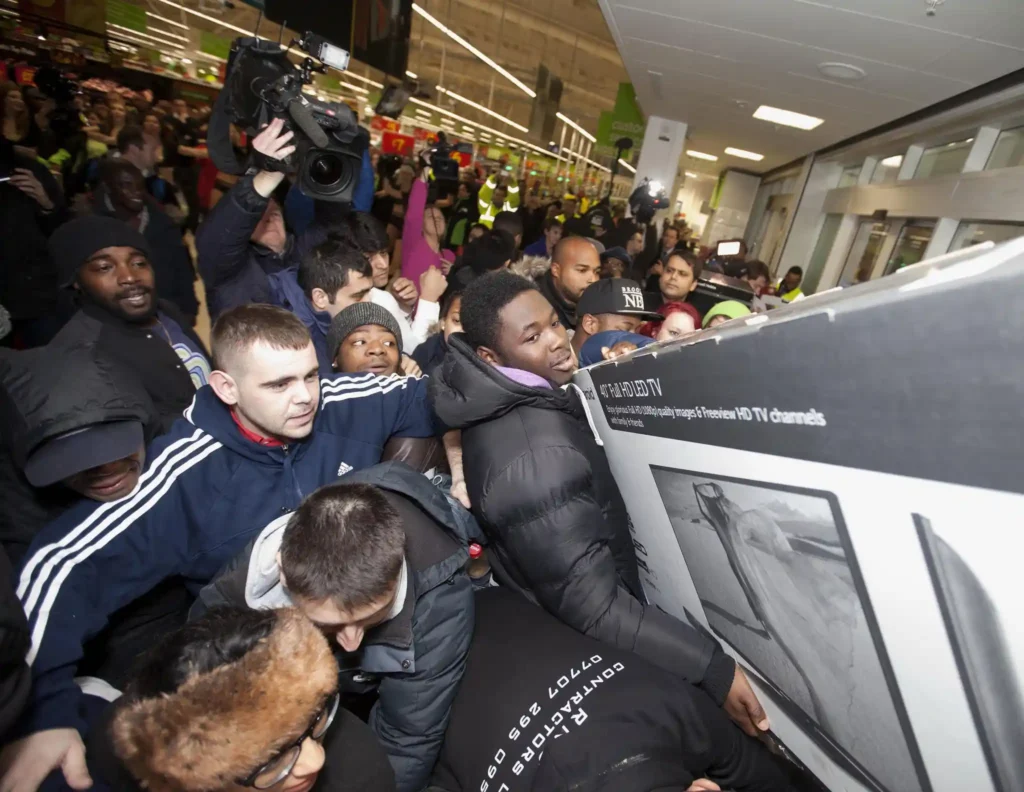
In-store traffic? Sluggish. We didn’t even have the decency to fight over flatscreens in person; we just clicked “Buy Now” from our couches.
-
Buy Now, Pay Later (BNPL) usage skyrocketed. This is the smoking gun. A massive chunk of this “record growth” was fueled by high-interest micro-loans disguised as convenience.
This wasn’t a celebration of prosperity. It was a debt-fueled bender.
The “Vibecession” is Over. Welcome to the “Doomspend.”
For two years, economists have been puzzled by the “Vibecession”—the phenomenon where economic data looks okay, but people feel terrible.
Black Friday 2025 proved that we have moved past bad vibes into something worse: Doomspending.
This is the economic equivalent of ordering the most expensive bottle of wine on the menu while the Titanic sinks. Consumers are looking at rising housing costs, insurmountable student loans (delinquencies are surging, by the way), and a shaky labor market, and deciding: “Screw it. I’ll never own a home anyway. Might as well buy the new PlayStation.”
It is a coping mechanism. We are medicating our economic anxiety with retail therapy on a national scale.
The K-Shaped Masquerade
Here is the most controversial pill to swallow: The “record numbers” are being propped up by the wealthy, while the working class is being erased from the data.
This Black Friday revealed a brutal K-shaped spending split:
-
The Upper Tier: Splurging on luxury goods, tech, and travel without blinking. The stock market is holding up their net worth, so they feel rich.
-
The Lower Tier: Using BNPL services for groceries and basic holiday gifts.
When the media cheers for “Record Black Friday Sales,” they are cheering for the top 20% of earners who are having a party. For everyone else, this weekend was just another step toward maxing out the credit card.
The Hangover is Coming
This surge isn’t a sign of a healthy economy; it’s the final flare of a dying star.
Household debt has hit a record $18.59 trillion. Delinquency rates on credit cards and auto loans are quietly ticking up to dangerous levels. We just put $12 billion on the national tab in 24 hours. When the bills come due in January and February, the illusion of robust consumer spending is going to shatter.
We aren’t seeing an economic boom. We are seeing a credit bubble disguised as holiday cheer.
So, what does this mean for you?
Stop looking at the sales figures as a sign that “everything is fine.” It’s not. If you are an investor or a business owner, be wary of the “sugar high” Q4 earnings. The consumer is tapped out, stressed out, and levered up.
The crash isn’t cancelled; it’s just been put on layaway.

Leave a Reply